

You’ve probably tried everything at this point. The lavender pillow spray. The sleep podcasts. Maybe even that weird military sleep technique your friend sent you on TikTok. And yet here you are, 2 AM, scrolling through Amazon reviews for magnesium supplements wondering if they’re actually worth it or just another wellness rabbit hole.
Here’s the thing: magnesium genuinely can help with sleep. But the supplement aisle is a mess. Glycinate, threonate, citrate, oxide, taurate… there are over ten different forms, and most articles just regurgitate Amazon bestseller lists without explaining why any of it matters.
I dug through the research on this one. Looked at what Mayo Clinic doctors actually recommend. Compared prices per milligram of real, absorbable magnesium (not the inflated numbers on labels). Read through thousands of reviews to see what people experience in the real world, not just in clinical trials.
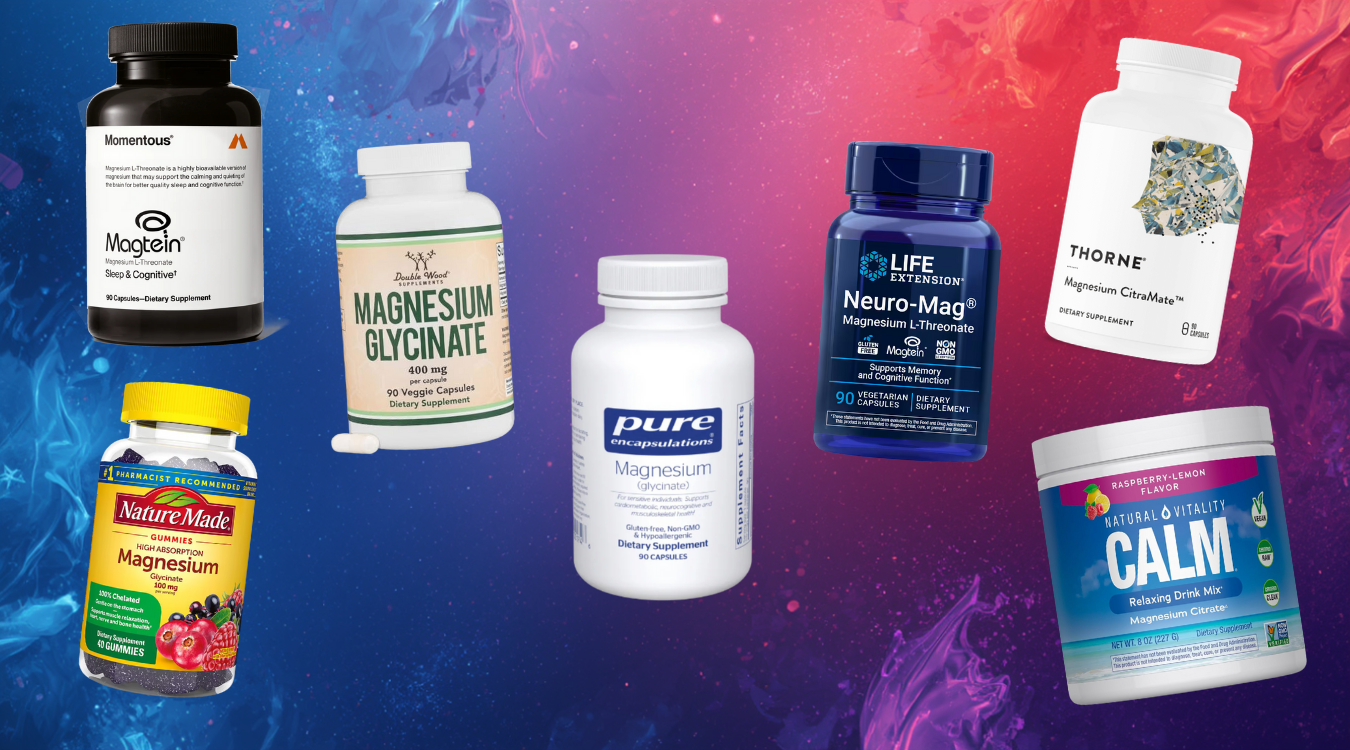
The short version? Magnesium glycinate is the best form for most people. It’s well-absorbed, easy on your stomach, and the glycine itself helps with relaxation. If you want brain benefits alongside better sleep, magnesium L-threonate is worth the premium price. And whatever you do, skip magnesium oxide. You’ll absorb almost none of it.
Below you’ll find the seven supplements that actually deliver, organized by what you’re looking for. Plus everything you need to know about forms, dosages, and what the science actually says.
Best Magnesium for Sleep at a Glance
- Best Overall: Pure Encapsulations Magnesium Glycinate
- Best Value: Double Wood Magnesium Glycinate
- Best for Brain + Sleep: Life Extension Neuro-Mag
- Best for Athletes: Momentous Magnesium L-Threonate
- Best Powder: Natural Vitality Calm
- Most Trusted Brand: Thorne Magnesium Citramate
- Best Gummies: Nature Made Magnesium Glycinate Gummies
Table of Contents
7 Best Magnesium Supplements for Sleep (Detailed Reviews)
After weeks of research, these are the supplements that made the cut. Each one earned its spot for different reasons. Some for pure quality, others for value, a few for specific use cases. I’ve organized them so you can jump straight to what matters for your situation.
Best Overall: Pure Encapsulations Magnesium Glycinate
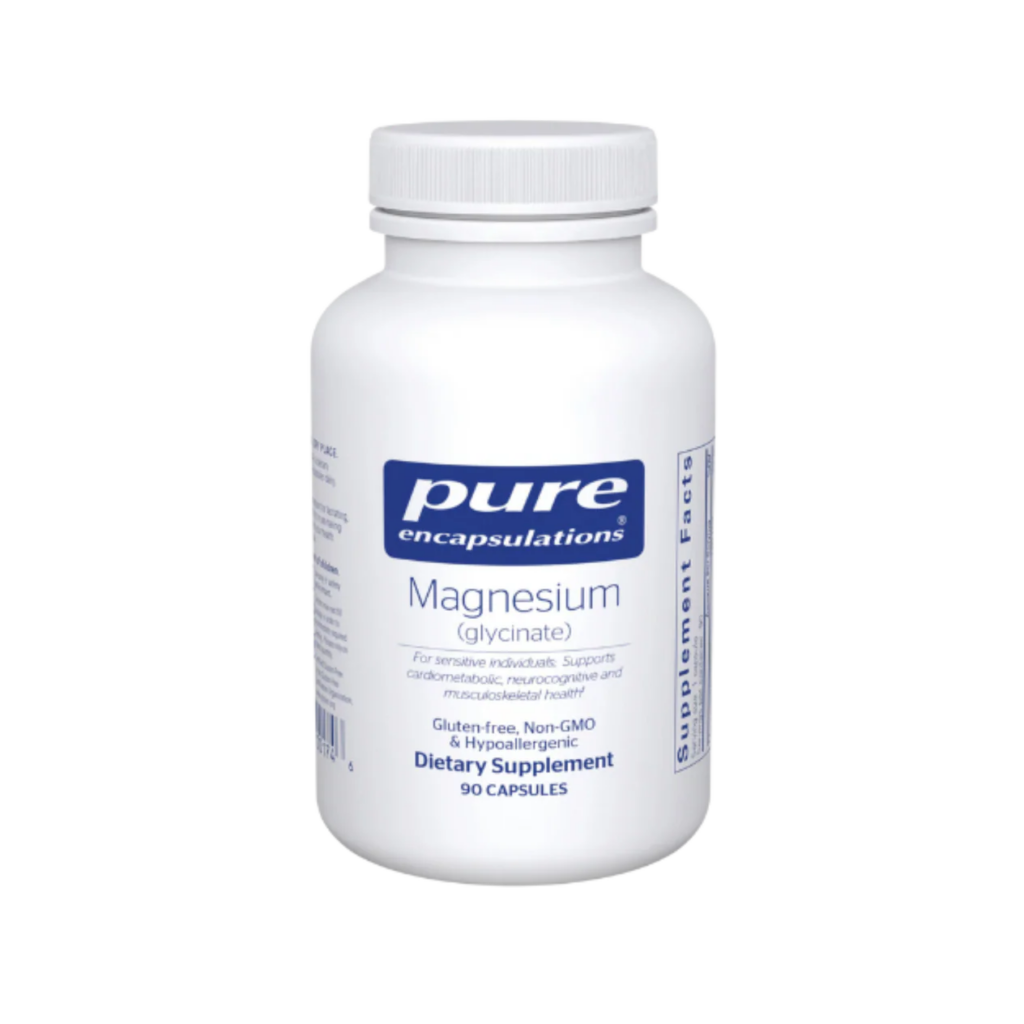
Pure Encapsulations has quietly become the brand that integrative medicine doctors actually recommend to patients. Not flashy, no influencer deals. Just a reputation built on doing supplements right.
The formula here is dead simple: magnesium glycinate, a capsule, and nothing else. No fillers. No flowing agents. No weird additives you can’t pronounce. For people with sensitivities or allergies, that matters more than you’d think. The hypoallergenic formula means it’s free from wheat, gluten, eggs, tree nuts, peanuts, and basically everything else that causes problems.
Glycinate is the form you want for sleep. The magnesium gets absorbed well (unlike oxide, which your body mostly ignores), and the glycine it’s bound to is itself a calming amino acid. So you’re getting a two-for-one effect: the relaxation benefits of magnesium plus the additional calm from glycine.
With 45,000+ Amazon reviews averaging 4.7 stars, the patterns are clear. People rave about finally sleeping through the night. The consistent theme in positive reviews: no stomach upset. That’s huge if you’ve tried citrate and spent the night in the bathroom.
The downsides? It’s not cheap. And at 120mg per capsule, you’ll need to take two or three to hit a therapeutic dose. But for quality this clean, the trade-off makes sense.
Price: $44-48 | Per Serving: $0.25 | Form: Glycinate | Mg/Capsule: 120mg | Servings: 180 | Rating: ⭐ 4.7 (45K+)
- Hypoallergenic—no common allergens
- Zero fillers or unnecessary additives
- Glycine adds extra calming effect
- Very gentle on the stomach
- Healthcare practitioner trusted
- Premium price point
- Need 2-3 capsules for full dose
Best for: Anyone who wants a clean, high-quality glycinate without fillers, especially those with sensitive stomachs, allergies, or a history of reacting to supplements.
Skip this if: You’re on a tight budget or really hate swallowing multiple pills.
Best Value: Double Wood Magnesium Glycinate
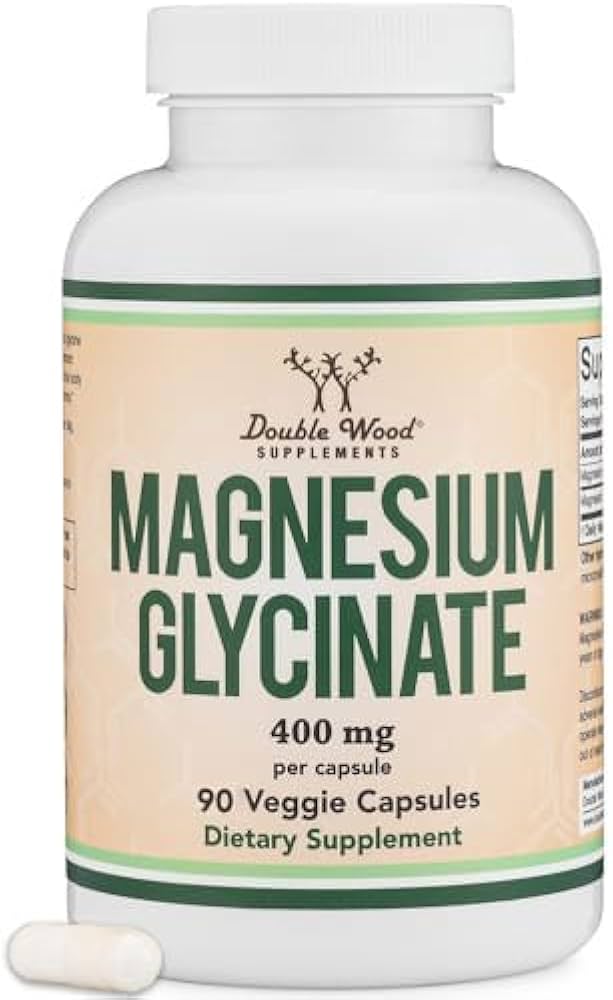
Double Wood has built a reputation for offering quality supplements at prices that don’t make you wince. Their magnesium glycinate is a prime example.
You’re getting 400mg of magnesium glycinate per serving here. That’s a solid therapeutic dose without needing to swallow a handful of capsules. The formula is straightforward: magnesium glycinate in a vegetarian capsule. No unnecessary extras, no proprietary blends hiding what’s actually inside.
What makes this the value pick? Simple math. At around thirteen cents per serving, you’re getting glycinate (the preferred form for sleep) at nearly half the cost of premium brands. Double Wood manufactures in the USA and third-party tests their products, so you’re not sacrificing quality for price.
The Amazon reviews tell a consistent story. People report better sleep, reduced nighttime leg cramps, and an easier time winding down. The complaints that do pop up are mostly about capsule size (they’re not small) and the occasional person who didn’t notice a difference.
If you want to try magnesium glycinate without committing to a $45 bottle, this is your entry point.
Price: $19-25 | Per Serving: $0.13 | Form: Glycinate | Mg/Serving: 400mg | Servings: 180 | Rating: ⭐ 4.5 (15K+)
- Excellent price for glycinate form
- 400mg per serving—no pill stacking
- Third-party tested
- Made in USA
- Vegetarian capsules
- Capsules are fairly large
- Less brand recognition than premium options
Best for: Budget-conscious shoppers who want the benefits of magnesium glycinate without paying premium prices.
Skip this if: You struggle with larger capsules or prefer ultra-established brands.
Best for Brain + Sleep: Life Extension Neuro-Mag

This is the brain-focused option. L-threonate is fundamentally different from other magnesium forms because it’s the only one that actually crosses the blood-brain barrier and increases magnesium levels in the brain itself. MIT researchers developed it specifically for this purpose.
A 2024 randomized controlled trial put L-threonate to the test. Eighty adults with sleep problems took either 1g of Magtein (the patented L-threonate formula) or placebo for 21 days. The results were legitimately impressive: improved deep and REM sleep, better next-day mood, more energy, sharper mental clarity. Not just subjective reports either; they used Oura rings to track objective sleep metrics.
Life Extension uses that same Magtein formula. They’ve been around since the 1980s with a solid reputation in the supplement space, and their quality control is reliable.
Now here’s the catch. L-threonate contains less elemental magnesium per serving than glycinate (144mg versus the 200-400mg range you’d get elsewhere). If you’re primarily concerned about sleep and nothing else, glycinate gives you more bang for your buck. But if brain fog, memory, and cognitive performance are also on your radar, this two-birds-one-stone approach makes sense.
One thing to watch: some people find threonate slightly stimulating. If that’s you, take it earlier in the evening rather than right before bed.
Price: $30-40 | Per Serving: $1.00 | Form: L-Threonate | Mg/Serving: 144mg | Servings: 30 | Rating: ⭐ 4.6 (25K+)
- Only form proven to increase brain magnesium
- 2024 study shows real sleep improvements
- Cognitive benefits alongside sleep
- Patented Magtein formula
- Trusted brand since 1980s
- Premium price (~4x glycinate)
- Lower elemental magnesium content
- Requires 3 capsules per serving
Best for: Those wanting cognitive benefits (focus, memory, mental clarity) alongside better sleep. Particularly good for older adults or anyone dealing with brain fog.
Skip this if: You only care about sleep. Glycinate is more cost-effective for pure sleep support.
Best for Athletes: Momentous Magnesium L-Threonate
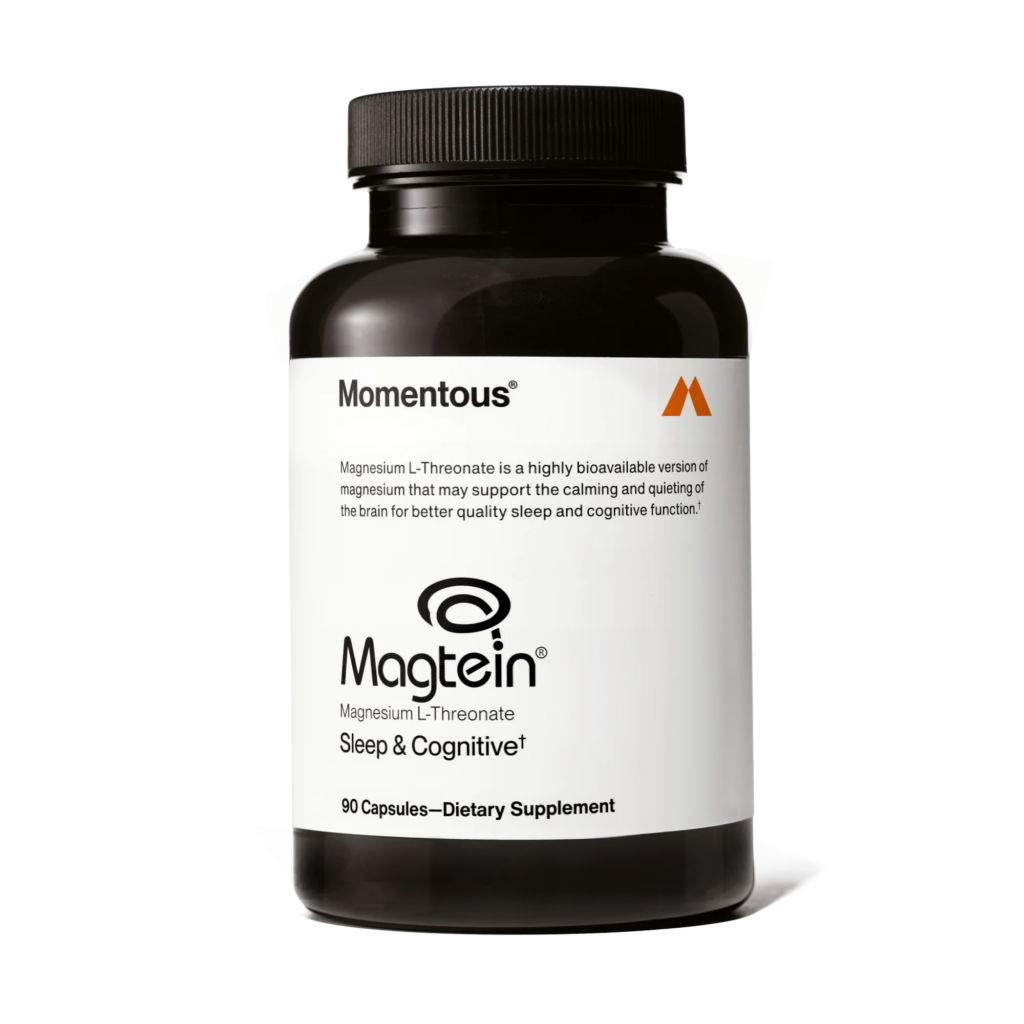
Same Magtein formula as Life Extension, higher price. So why does this one exist?
Two words: NSF Certified for Sport.
If you’re an athlete subject to drug testing (collegiate, professional, Olympic), that certification is everything. It means independent labs have verified the product doesn’t contain any banned substances. No contamination with stimulants. No mystery ingredients that’ll pop on a test. For tested athletes, this isn’t optional.
Momentous has built their entire brand around this. They work with over 100 professional sports teams and individual elite athletes. Dr. Andrew Huberman recommends their threonate specifically as part of his sleep stack, which has driven massive awareness in the biohacking community.
The product itself performs exactly like Life Extension’s version: same Magtein, same brain-focused benefits, same sleep improvements. You’re paying extra for the certification, the brand reputation, and arguably the peace of mind.
Is that premium worth it? Depends entirely on who you are. For a tested athlete or someone who values knowing exactly what’s in their supplements, absolutely. For everyone else, Life Extension gives you the same active ingredient for significantly less.
Price: $49-55 | Per Serving: $1.70 | Form: L-Threonate | Mg/Serving: 145mg | Servings: 30 | Certifications: NSF Sport ✓
- NSF Certified for Sport
- Trusted by 100+ pro sports teams
- Huberman-recommended
- Same Magtein formula
- Extremely clean formulation
- Most expensive option on this list
- Same ingredient as cheaper alternatives
Best for: Athletes subject to drug testing, biohackers following specific protocols, or anyone wanting the cleanest possible certification.
Skip this if: You’re not a tested athlete. Life Extension Neuro-Mag has the identical active ingredient for less.
Best Powder: Natural Vitality Calm
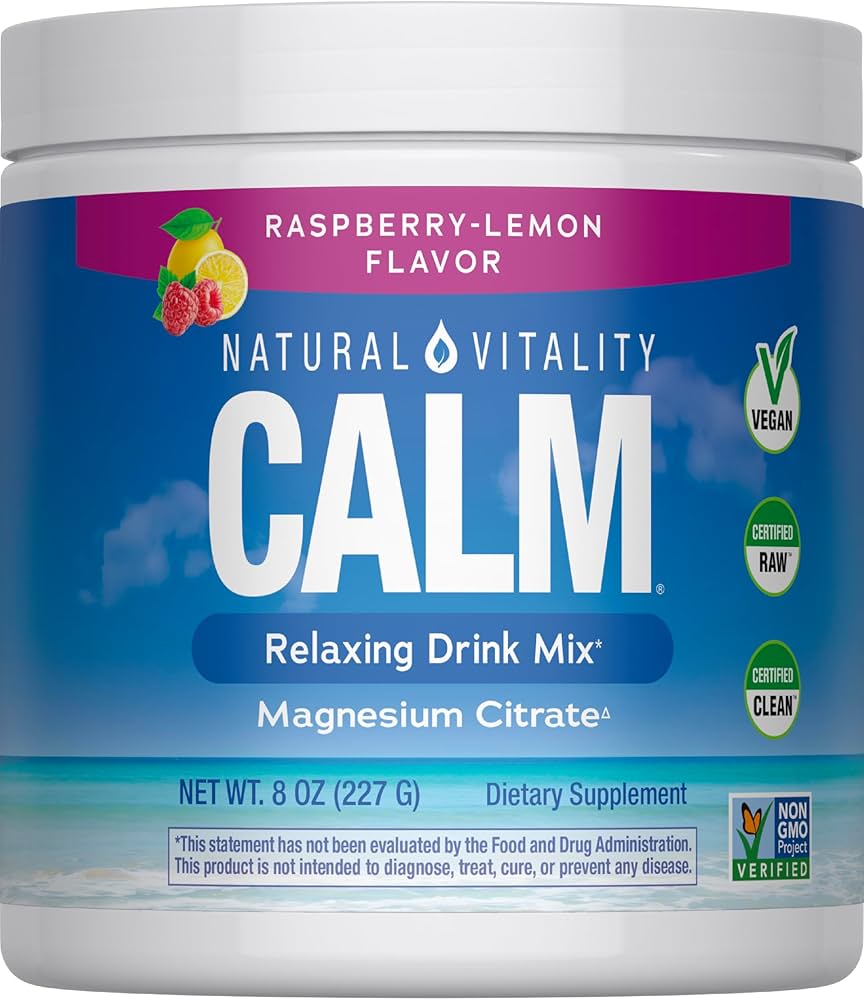
Hate swallowing pills? This is for you.
Natural Vitality has been making Calm since 1982, and it’s remained the #1 selling magnesium powder brand for good reason. You mix a couple teaspoons into water, it fizzes up, and you get a slightly tart drink that genuinely tastes decent. The ritual of making it (watching it fizz, drinking something warm before bed) becomes part of the relaxation routine itself.
The formula is magnesium citrate, which absorbs well and has the most clinical evidence behind it for sleep. Mayo Clinic specifically mentions citrate as the form with the most research support. It comes in multiple flavors: original (unflavored), raspberry-lemon, orange, cherry. Most people prefer raspberry-lemon.
Now, the elephant in the room: citrate has a laxative effect. There’s no way around this. Start with half a serving and see how your body responds. For some people, this is actually a benefit. If you deal with constipation, this kills two birds with one stone. For others, it means bathroom trips you didn’t sign up for.
The other thing: stevia. They use it for sweetness, and stevia aftertaste is polarizing. Some people don’t notice it. Others can’t stand it. Worth knowing before you buy a big container.
With 80,000+ reviews, this is one of the most-purchased magnesium products on Amazon. People genuinely love the calming ritual it creates.
Price: $23-28 | Per Serving: $0.22 | Form: Citrate (Powder) | Mg/Serving: 325mg | Servings: ~113 | Rating: ⭐ 4.6 (80K+)
- No pills to swallow
- Creates calming bedtime ritual
- Highest magnesium per serving
- Multiple flavors available
- Great value for amount you get
- Citrate causes laxative effect
- Stevia aftertaste bothers some
- Requires mixing, less convenient
Best for: People who hate pills, want a calming nighttime ritual, or deal with both sleep issues AND constipation.
Skip this if: You’re sensitive to citrate’s laxative effect or need grab-and-go convenience.
Most Trusted Brand: Thorne Magnesium Citramate
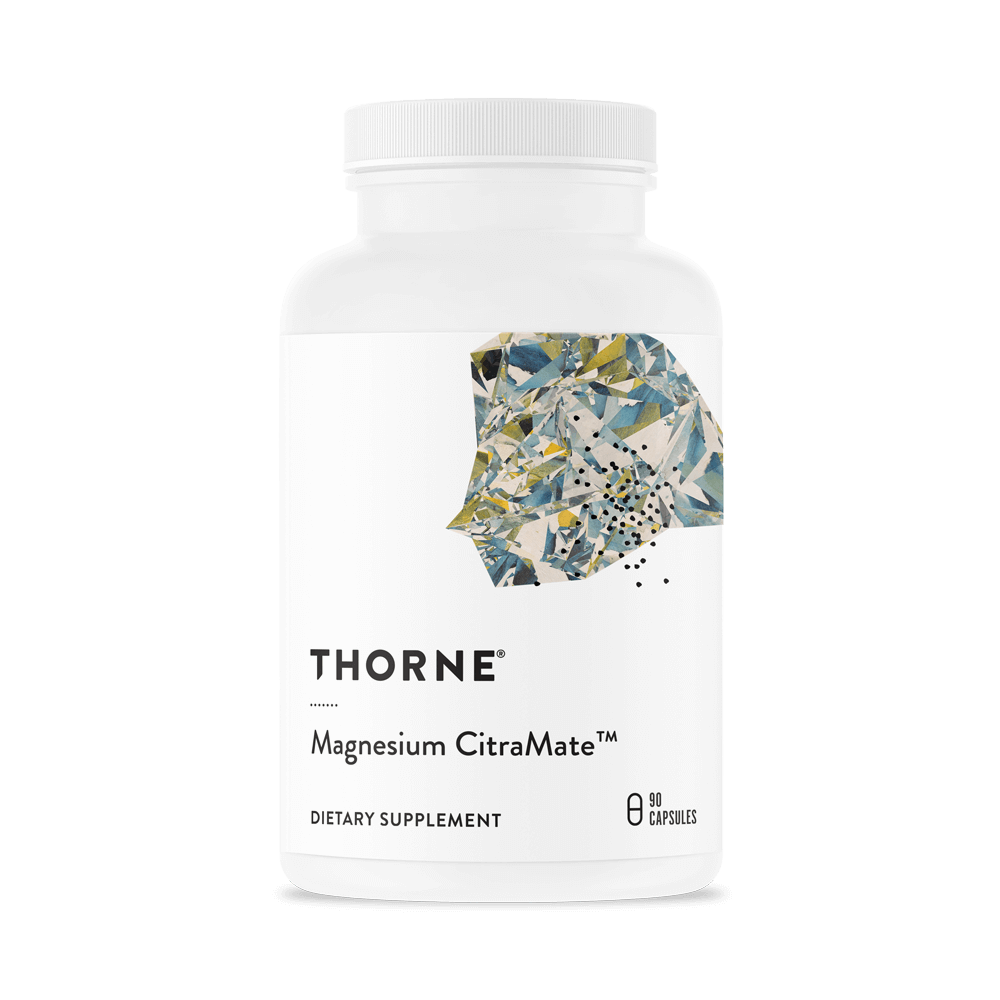
Thorne is the supplement brand that doctors actually use themselves.
They’re one of the few companies certified by Australia’s TGA (Therapeutic Goods Administration), which has stricter standards than the FDA. Their products are used by 100+ professional sports teams. Mayo Clinic sells Thorne supplements through their store. This isn’t marketing fluff. It’s a reputation earned over decades.
Citramate combines two forms: magnesium citrate (good absorption, research-backed for sleep) and magnesium malate (supports energy production and muscle function). The idea is you get relaxation benefits at night but also support for daytime energy and recovery. Whether that dual-form approach is noticeably better than single-form is debatable, but it’s a reasonable theory.
Each capsule delivers 135mg of elemental magnesium, which is a solid amount. Two capsules gets you to 270mg, right in the therapeutic sweet spot.
The one caveat: the citrate component can still cause mild GI effects in sensitive individuals. If you know you react poorly to citrate, Pure Encapsulations’ glycinate might be safer. But for most people, Thorne’s quality and reputation make this a solid choice.
Price: $25-32 | Per Serving: $0.30 | Form: Citrate + Malate | Mg/Capsule: 135mg | Servings: 90 | Rating: ⭐ 4.6 (2.6K+)
- TGA Australia certified (strictest standards)
- Trusted by pro sports teams and doctors
- Sold through Mayo Clinic store
- Dual-form blend
- 135mg per capsule (fewer pills needed)
- Citrate component may affect some GI systems
- Not pure glycinate
Best for: Those who prioritize brand reputation and third-party verification above all else. Also great for athletes wanting muscle recovery benefits alongside sleep support.
Skip this if: You’re citrate-sensitive and want the gentlest option (go Pure Encapsulations glycinate instead).
Best Gummies: Nature Made Magnesium Glycinate Gummies
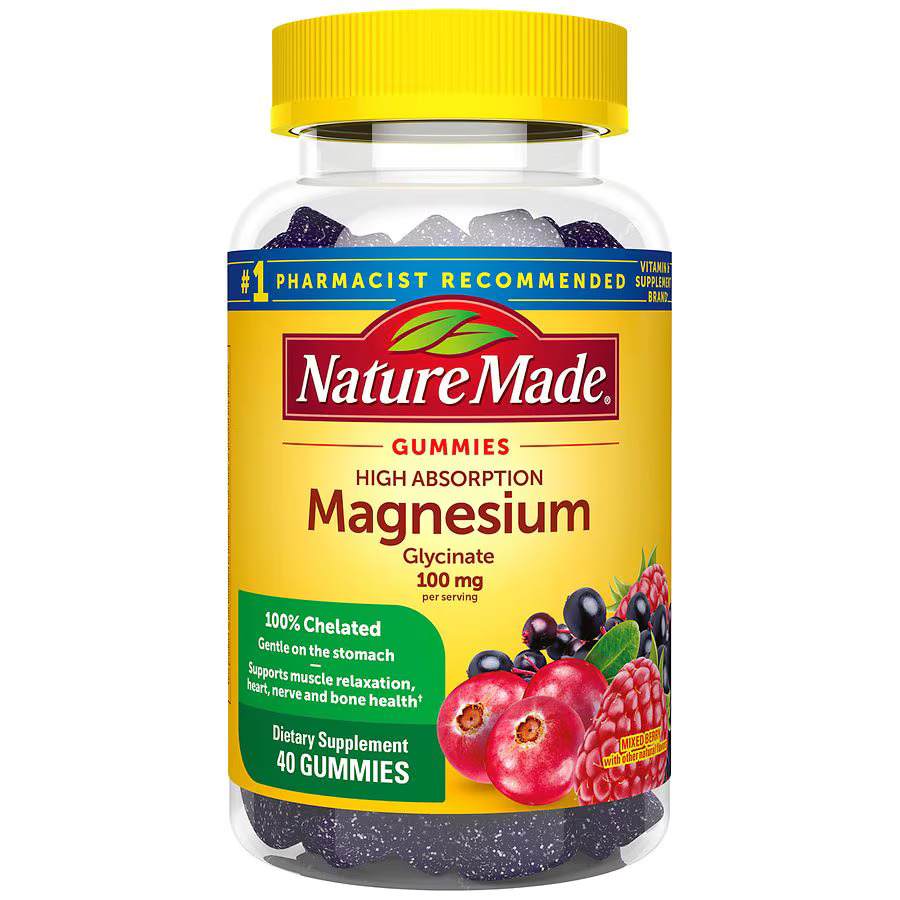
Sometimes you just want something that doesn’t feel like taking medicine. Gummies fit that bill.
Nature Made is the most pharmacist-recommended vitamin brand in the US, and they’ve finally made a glycinate gummy. That matters because most magnesium gummies use inferior forms like oxide or citrate. Glycinate in gummy form is relatively rare, and Nature Made pulls it off with USP verification (independent testing that confirms the product contains what the label claims).
Each two-gummy serving gives you 200mg of magnesium glycinate. The mixed berry flavor is pleasant without being aggressively sweet. They’re gluten-free and don’t use high fructose corn syrup.
The trade-offs are what you’d expect from any gummy. There’s added sugar (4g per serving). You’re paying more per milligram than capsules. And gummies generally have a shorter shelf life than pills.
But if the alternative is not taking magnesium at all because you hate pills? Gummies win. Compliance beats perfection every time. Taking a “less ideal” form consistently beats taking a “perfect” form sporadically.
Price: $14-20 | Per Serving: $0.23 | Form: Glycinate (Gummy) | Mg/Serving: 200mg | Servings: 60 | Certifications: USP Verified ✓
- Actually uses glycinate (rare for gummies)
- USP Verified—independently tested
- Pleasant taste, easy to take
- 200mg per serving
- Affordable
- Contains 4g sugar per serving
- More expensive per mg than capsules
Best for: Anyone who hates swallowing pills and wants an enjoyable way to get their magnesium glycinate daily.
Skip this if: You’re avoiding sugar or want maximum value per dollar.
Magnesium Supplements for Sleep: Quick Comparison
| Product | Form | Mg/Serving | Price/Serving | Rating | Best For |
|---|---|---|---|---|---|
| Pure Encapsulations | Glycinate | 120mg | $0.25 | 4.7★ | Most people |
| Double Wood | Glycinate | 400mg | $0.13 | 4.5★ | Budget buyers |
| Life Extension Neuro-Mag | L-Threonate | 144mg | $1.00 | 4.6★ | Brain + sleep |
| Momentous | L-Threonate | 145mg | $1.70 | 4.5★ | Athletes |
| Natural Vitality Calm | Citrate | 325mg | $0.22 | 4.6★ | Powder lovers |
| Thorne Citramate | Citrate/Malate | 135mg | $0.30 | 4.6★ | Brand trust |
| Nature Made Gummies | Glycinate | 200mg | $0.23 | 4.5★ | Gummy format |
Which Type of Magnesium Is Best for Sleep?
Walk into a supplement store and you’ll see magnesium citrate, magnesium oxide, magnesium glycinate, magnesium threonate, magnesium taurate… the list goes on. They’re not interchangeable. Some absorb well, others barely at all. Some help you sleep, others just send you to the bathroom.
Here’s what actually matters.
Magnesium Glycinate: The Gold Standard
If you’re taking magnesium specifically for sleep, glycinate should be your first choice for most situations.
Glycinate means the magnesium is bound to glycine, an amino acid that itself has calming properties. You’re essentially getting two relaxation compounds in one. The glycine enhances GABA activity. That’s the neurotransmitter that tells your nervous system to chill out.
Beyond the mechanism, glycinate just works well practically. It absorbs efficiently (around 80% bioavailability). It doesn’t cause the GI distress that citrate does. It’s gentle enough for daily long-term use. Cleveland Clinic specifically recommends glycinate or L-threonate for sleep, noting to avoid oxide.
Magnesium L-Threonate: For Your Brain AND Your Sleep
L-threonate is the specialty option. Developed by MIT researchers, it’s the only magnesium form that’s been shown to actually cross the blood-brain barrier and increase magnesium concentrations in the brain itself.
The 2024 research is compelling. In a randomized controlled trial, adults taking 1g of Magtein (the patented L-threonate) for three weeks showed measurable improvements in deep sleep, REM sleep, next-day energy, mood, and mental alertness. They used Oura rings to track objective metrics, not just subjective “I feel better” reports.
The catch? L-threonate delivers less elemental magnesium, around 144mg versus 200-400mg from glycinate products. It’s also significantly more expensive. If your main goal is just sleep and nothing else, glycinate gives you more magnesium for less money. But if brain fog, memory, and cognitive sharpness are also concerns, threonate’s dual benefits might justify the premium.
Magnesium Citrate: High Absorption, GI Caution
Here’s an interesting wrinkle: according to Mayo Clinic’s Dr. Denise Millstine, magnesium citrate actually has the most clinical evidence behind it for sleep specifically. The research backing it is stronger than other forms.
So why isn’t it the default recommendation? One word: laxative.
Citrate is an osmotic laxative. At sleep-supporting doses, it draws water into your intestines. Some people handle this fine. Others spend the night running to the bathroom. If you struggle with constipation, this might actually be a feature (two problems solved with one supplement). But for everyone else, it’s a significant downside.
If you try citrate, start with half the recommended dose and take it 2-3 hours , not right at bedtime.
Magnesium Taurate: The Heart-Healthy Option
Taurate binds magnesium to taurine, another calming amino acid. It’s particularly interesting for cardiovascular health and may help with blood pressure regulation. For sleep specifically, it’s less studied than glycinate or threonate, but the taurine component does have calming effects.
Consider this if you have heart health concerns alongside sleep issues.
What to Skip: Magnesium Oxide
Oxide is cheap, which is why it shows up in countless multivitamins and budget supplements. But your body absorbs only about 4% of it. Four percent. The rest passes right through you (often causing diarrhea in the process).
For general magnesium supplementation where you just need to hit RDA, oxide technically works, but you need to take a lot of it. For sleep specifically? It’s essentially worthless. Don’t waste your money.
Quick Form Comparison
| Form | Absorption | Sleep Rating | GI Tolerance |
|---|---|---|---|
| Glycinate | High | ⭐⭐⭐⭐⭐ | Excellent |
| L-Threonate | High (brain) | ⭐⭐⭐⭐ | Good |
| Citrate | High | ⭐⭐⭐ | Poor (laxative) |
| Taurate | Moderate | ⭐⭐⭐ | Good |
| Oxide | Very Low (~4%) | ⭐ | Poor |
How Does Magnesium Actually Help You Sleep?
Magnesium isn’t a sedative. It won’t knock you out the way a sleeping pill does. Instead, it works through multiple pathways to create conditions where sleep comes more naturally.
It Activates Your Brain’s “Calm Down” System
Your brain runs on a balance between excitatory signals (stay alert, keep going) and inhibitory signals (relax, wind down). GABA is the main inhibitory neurotransmitter. When it’s active, neural firing slows down and you feel calmer.
Magnesium binds to GABA receptors, making them more responsive. At the same time, it blocks NMDA receptors, which are excitatory. This dual action (boosting the brake pedal while easing off the gas) helps quiet the mental chatter that keeps people awake.
People who describe their insomnia as “can’t turn off my brain” often respond well to magnesium for exactly this reason.
It Supports Melatonin Production
Melatonin is the hormone that signals bedtime to your body. Your brain naturally produces more as darkness falls. Magnesium is involved in the enzymatic processes that create melatonin.
In one clinical study, elderly participants taking 500mg of magnesium daily for 8 weeks had significantly higher serum melatonin levels compared to placebo (P = 0.007). That’s a meaningful difference: their bodies were producing more of their own sleep hormone.
It Reduces Cortisol
Cortisol is your stress hormone. It’s supposed to be high in the morning (helps you wake up) and low at night (lets you wind down). Chronic stress keeps cortisol elevated around the clock, which interferes with sleep.
That same study found magnesium supplementation significantly decreased cortisol levels (P = 0.008). Less cortisol at night means your body can actually shift into rest mode.
It Relaxes Muscles
If nighttime leg cramps or restless legs wake you up, magnesium might help directly. It acts as a natural muscle relaxant by blocking excess calcium entry into muscle cells (calcium causes contraction; magnesium promotes relaxation).
Mayo Clinic specifically mentions magnesium for people whose sleep is disrupted by leg cramps or restless leg syndrome.
How Much Magnesium Should You Take for Sleep?
Most sleep specialists recommend somewhere between 200-400mg of elemental magnesium, taken 30-60 minutes before bed.
Here’s what different sources suggest:
| Source | Recommended Dose |
|---|---|
| Mayo Clinic | 250-500mg at bedtime |
| Cleveland Clinic | 200mg nightly |
| Dr. Andrew Huberman | 145-400mg (threonate or bisglycinate) |
| NIH Upper Limit | 350mg/day from supplements |
Start on the lower end (around 150-200mg) and assess how your body responds. Some people do great with lower doses. Others need to work up toward 400mg. If you’re using citrate, definitely start low to avoid GI surprises.
Important: “Elemental Magnesium” vs. Total Weight
This trips up a lot of people. A supplement might say “500mg Magnesium Glycinate” on the label, but that’s the weight of the whole compound (magnesium plus glycine together). The actual elemental magnesium might only be 50-100mg.
Look for “elemental magnesium” on the supplement facts panel. That’s the number that matters for dosing.
When to Take It
Aim for 30-60 minutes before you want to be asleep. This gives the magnesium time to absorb and start working.
If you’re using citrate, take it 2-3 hours before bed instead. The laxative effect kicks in faster than the sleep benefits, and you don’t want to be dealing with that at 2 AM.
Consistency matters more than perfect timing. Pick a time that works for your routine and stick with it. The sleep benefits build over days and weeks of regular use.
Who Benefits Most from Magnesium for Sleep?
Magnesium doesn’t work equally well for everyone. Some people see dramatic improvements. Others notice subtle changes. A few don’t respond at all. Here’s who tends to benefit most:
People with magnesium deficiency. This is a bigger group than you’d think. Estimates suggest 45-60% of Americans don’t get adequate magnesium from their diet. If you eat a lot of processed foods, drink alcohol regularly, or take certain medications (PPIs, diuretics), you’re at higher risk.
Older adults. Sleep problems affect roughly half of people over 65, and this is also the demographic with the most research support for magnesium supplementation. The landmark study showing improved sleep time, efficiency, and melatonin levels was conducted specifically in elderly subjects.
Women, especially during perimenopause and menopause. Hormonal shifts can wreak havoc on sleep, and women are at higher risk for magnesium deficiency in general. Many women find magnesium helps with both sleep quality and other menopausal symptoms.
People with anxiety-related insomnia. If your sleep problem is “can’t turn off my brain,” magnesium’s GABA-enhancing effects are particularly relevant. It’s not going to cure clinical anxiety, but it can take the edge off racing thoughts.
Those with restless legs or muscle cramps. Mayo Clinic specifically recommends trying magnesium for sleep disruption caused by leg cramps or restless leg syndrome.
Who Should Talk to a Doctor First
Magnesium is generally safe, but some situations require medical guidance:
- Kidney disease: Your kidneys regulate magnesium excretion. Impaired function can lead to dangerous buildup.
- Taking certain medications: Antibiotics (tetracyclines, fluoroquinolones), bisphosphonates, and some heart medications interact with magnesium. Usually you just need to space them out, but check with your doctor.
- Heart conditions: While magnesium generally supports heart health, existing cardiac issues warrant medical supervision.
- Pregnancy: Magnesium needs increase during pregnancy, but supplementation should be discussed with your OB.
Magnesium vs Melatonin: Which Is Better for Sleep?
This is one of the most common questions I see. The short answer: they work differently and aren’t really competitors. Many people use both.
| Magnesium | Melatonin | |
|---|---|---|
| How it works | Calms nervous system, supports natural processes | Directly signals “time to sleep” |
| Best for | Anxiety-driven insomnia, daily long-term use, muscle tension | Jet lag, shift work, short-term schedule resets |
| Long-term use | Safe for ongoing daily use | Better for short-term; may reduce natural production |
| Side effects | GI issues (form-dependent) | Grogginess, vivid dreams |
| Can combine? | Yes, no known interactions | |
Magnesium is the better choice for nightly, long-term use. It works with your body’s natural systems rather than overriding them. It’s an essential mineral you need anyway, and consistent use builds benefits over time.
Melatonin is better for acute situations: crossing time zones, recovering from shift work, resetting after a disrupted schedule. It’s a hormone, not a mineral, and some research suggests long-term use might reduce your body’s natural melatonin production.
Many people use magnesium every night and add melatonin occasionally when needed. That’s a reasonable approach.
Side Effects and Safety Considerations
Magnesium supplements are generally well-tolerated, but side effects can happen, especially at higher doses or with certain forms.
Common Side Effects
The main issue is GI distress: diarrhea, nausea, stomach cramps. This is most common with citrate and oxide, much rarer with glycinate. Starting with a lower dose and building up usually helps.
Signs You’re Taking Too Much
Persistent diarrhea, nausea, muscle weakness, and low blood pressure can indicate excess magnesium. This is rare in people with healthy kidneys. Your body is pretty good at excreting what it doesn’t need. But if you’re stacking multiple supplements that contain magnesium, the totals can add up.
Drug Interactions
A few medications require spacing or monitoring:
- Bisphosphonates (Fosamax, etc.): Take at least 2 hours apart (magnesium reduces absorption)
- Tetracycline and fluoroquinolone antibiotics: Take 2-4 hours apart
- Diuretics: May increase magnesium needs
- Proton pump inhibitors (Prilosec, Nexium, etc.): Long-term use can cause magnesium deficiency
Who Should Avoid Magnesium Supplements
If you have kidney disease, do not take magnesium supplements without medical supervision. Your kidneys regulate magnesium levels, and impaired function can lead to dangerous accumulation.
Frequently Asked Questions
What form of magnesium is best for sleep?
Magnesium glycinate is the best form for most people. It’s well-absorbed, gentle on the stomach, and the glycine component adds calming benefits. Magnesium L-threonate is a good alternative if you also want cognitive benefits, though it costs more.
How much magnesium should I take for sleep?
Most experts recommend 200-400mg of elemental magnesium taken 30-60 minutes before bed. Start with 150-200mg to assess tolerance, then increase if needed. The NIH sets 350mg/day as the upper limit from supplements.
When should I take magnesium for sleep?
Take magnesium 30-60 minutes before bed. If using citrate, take it 2-3 hours before to avoid nighttime bathroom trips.
Can I take magnesium every night?
Yes. Unlike some sleep aids, magnesium is safe for long-term, nightly use. It’s an essential mineral your body needs anyway, and the benefits tend to build over time with consistent use.
Is magnesium glycinate better than citrate for sleep?
For most people, yes. Glycinate is gentler on the stomach and doesn’t have citrate’s laxative effect. Citrate technically has more clinical evidence behind it, but GI side effects make it less practical for many users.
How long does it take for magnesium to work for sleep?
Some people notice benefits within the first few nights. Most research suggests 1-4 weeks of consistent use for full effects. Be patient and take it at the same time each night.
Can I take magnesium and melatonin together?
Yes. There are no known interactions between magnesium and melatonin. They work through different mechanisms, and some supplements combine both ingredients.
Does magnesium help with anxiety and sleep?
Yes. Magnesium activates GABA receptors (calming) and helps reduce cortisol (stress hormone). It’s particularly helpful for insomnia driven by racing thoughts or anxiety.
Which magnesium doesn’t cause diarrhea?
Magnesium glycinate and bisglycinate are the gentlest on digestion. Avoid citrate and oxide if you’re prone to GI issues.
Is magnesium safe for long-term use?
Yes, for most people. Stay under 350mg/day from supplements, ensure healthy kidney function, and be mindful of medication interactions. It’s an essential mineral your body uses continuously.
Can magnesium help you stay asleep, not just fall asleep?
Evidence suggests magnesium improves overall sleep quality and efficiency, which includes staying asleep. By calming the nervous system and supporting natural sleep architecture, many users report fewer nighttime wakings.
Why is magnesium threonate so expensive?
L-threonate is a patented formula (Magtein®) developed by MIT researchers. It requires licensing fees, and the research behind it—particularly the blood-brain barrier crossing—justifies premium pricing. You’re paying for a specialty form with unique cognitive benefits, not just general magnesium.
The Bottom Line
For most people wanting better sleep, Pure Encapsulations Magnesium Glycinate is where I’d start. Clean formula, trusted brand, gentle on the stomach, and glycinate is the form sleep specialists recommend most often.
On a budget? Double Wood Magnesium Glycinate gives you the same form as the premium pick at nearly half the price—400mg per serving without the sticker shock.
Want brain benefits too? Life Extension Neuro-Mag or Momentous (if you need NSF certification) deliver L-threonate’s unique ability to increase brain magnesium levels. The 2024 research on deep sleep and cognitive improvements is genuinely compelling.
Hate pills? Natural Vitality Calm creates a pleasant bedtime ritual, just watch out for the citrate laxative effect. Or grab Nature Made’s glycinate gummies for something easier.
Set realistic expectations. Magnesium isn’t a sleeping pill—it won’t knock you out in twenty minutes. It works by supporting your body’s natural systems, and that takes time. Give it two to four weeks of consistent use before deciding if it’s helping.
And if your sleep issues persist despite trying magnesium, talk to a doctor. Supplements can support good sleep, but they’re not a substitute for addressing underlying conditions like sleep apnea, chronic anxiety, or other medical issues.
Medical Disclaimer: This content is for informational purposes only and doesn’t constitute medical advice. Always consult your healthcare provider before starting any new supplement, especially if you have health conditions or take medications.
Affiliate Disclosure: This article contains affiliate links. If you purchase through these links, we may earn a small commission at no extra cost to you. We only recommend products we’ve thoroughly researched and believe in.