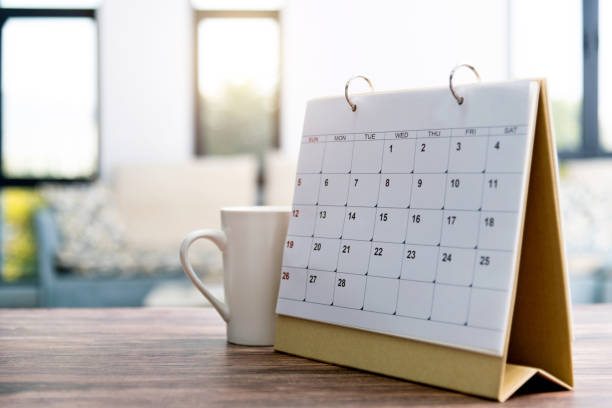

There’s a reason Mondays feel so chaotic for most people. They spent Sunday ignoring the week ahead, and now they’re scrambling to catch up before the day even starts.
The laundry isn’t done. There’s no food in the fridge. The calendar is a mystery. The to-do list is a jumbled mess in their head. No wonder Monday feels like getting hit by a truck.
But it doesn’t have to be that way.
One hour on Sunday can completely change how your week goes. Not a whole day of meal prepping and deep cleaning. Just one focused hour to get your life in order before the chaos starts.
This isn’t about being perfect or having everything figured out. It’s about giving yourself a head start. When you walk into Monday already knowing what’s coming and feeling prepared for it, the whole week feels different.
Here’s exactly how to spend that hour.
Why Sunday Matters So Much
Sunday is the reset button most people waste. They either spend it dreading Monday or they pack it so full of activities that they’re exhausted before the week even begins.
The sweet spot is somewhere in the middle. You need rest, yes. But you also need a little bit of structure to set yourself up for success.
Think about the best weeks you’ve had. The ones where you felt on top of things, where you weren’t constantly putting out fires, where you ended Friday feeling accomplished instead of drained.
Those weeks probably didn’t happen by accident. Something was different about how they started.
That something is usually preparation. When you know what’s coming and you’ve already handled the basics, you can focus on the work instead of scrambling to keep up with life admin.
There’s also a psychological component. The “Sunday scaries” that so many people experience come from feeling unprepared and out of control. When you spend an hour getting organized, that anxiety drops significantly. You’ve looked at the week. You’ve made a plan. You’re ready.
One hour of intentional preparation on Sunday creates space for the entire week ahead. It’s the highest leverage hour you’ll spend all week. And it leaves you with 23 other hours on Sunday to do whatever you want, minus the guilt and dread.
The 1-Hour Sunday Routine
Block off one hour sometime on Sunday. It can be morning, afternoon, or evening. Just pick a time that works for you and protect it.
Grab a cup of coffee or tea. Put on some music or a podcast if that helps you focus. Get comfortable. This should feel like taking care of yourself, not like another chore.
Here’s how to break down the hour.
Minutes 1-10: The Brain Dump
Start by getting everything out of your head. Grab a notebook or open a notes app and just dump.
Everything you need to do. Everything you’re worried about. Appointments you might be forgetting. Tasks that have been nagging at you. Random things that pop into your head at 2 AM. The email you keep putting off. The phone call you’re dreading. The thing you said you’d do three weeks ago.
Don’t organize it yet. Don’t judge it. Just get it all out.
The goal here is to empty your mental inbox. As long as stuff is floating around in your head, it’s taking up space and creating low-level anxiety. Once it’s on paper, your brain can relax. It knows the information is captured somewhere safe.
You’ll probably be surprised how much is in there. Most of us carry around way more mental clutter than we realize. Things we’ve been meaning to do for months. Worries that have been running on a background loop. Ideas we don’t want to forget.
Getting it all out is weirdly relieving. Like finally cleaning out a closet you’ve been avoiding. The mess was always there, but now you can see it and deal with it.
Keep writing until nothing else comes up. Then move on.
Minutes 10-20: Review Your Calendar
Look at what’s coming this week. Not just meetings and appointments, but everything.
What days are going to be busy? What days have more flexibility? Are there any conflicts you need to resolve? Any deadlines you forgot about?
Look at each day and visualize how it’s going to go. Morning, afternoon, evening. What needs to happen when?
This is also when you schedule the important stuff that doesn’t have a set time. If you want to work out three times this week, which days make the most sense? If you have a project that needs focused time, when will you actually do it?
Block that time now. Put it on the calendar like it’s an appointment with yourself. If it’s not scheduled, it probably won’t happen.
A paper planner is great for this if you’re the type who thinks better on paper. Something about physically writing things down makes them feel more real.
Related: The Best Morning Routine to Start Your Day Right
Minutes 20-30: Plan Your Priorities
Now look at your brain dump and your calendar together. What are the three most important things you need to accomplish this week?
Not the most urgent. Not the longest list of tasks. The three things that would make this week a success even if nothing else got done.
These are your non-negotiables. Everything else can flex around them.
Write them down somewhere you’ll see them every day. Make sure they’re scheduled into your calendar with actual time blocked for them.
Then look at the rest of your brain dump. What can you delegate? What can wait until next week? What honestly doesn’t need to happen at all?
Cross off anything that’s not truly necessary. Be ruthless. Your time is limited and not everything deserves a spot on your list.
What’s left gets sorted into days. Don’t just make one giant list for the week. Assign tasks to specific days based on what else is happening and how much energy you’ll have.
Related: 15 Daily Habits That Will Change Your Life
Minutes 30-40: Meal Planning
Food is one of the biggest sources of daily decision fatigue. Every day you have to figure out what to eat multiple times. That adds up to hundreds of micro-decisions that drain your energy.
Take ten minutes to plan your meals for the week. Doesn’t have to be fancy. Doesn’t have to be Pinterest-worthy. Just needs to answer the question “what am I eating?” before you’re standing in front of the fridge hungry and tired.
Look at your calendar first. Which nights are busy? Plan something quick or prep-ahead for those. Which nights do you have more time? That’s when you can cook something that takes longer.
Write down dinners for each night. Then figure out lunches. Breakfast can usually be the same thing every day if you’re someone who likes routine. Eggs, oatmeal, yogurt, smoothie. Pick your default and stick with it.
Don’t overcomplicate this. You don’t need seven unique dinners. It’s totally fine to repeat meals. It’s totally fine to plan for leftovers. It’s totally fine to schedule a takeout night when you know you’ll be exhausted.
Make a grocery list based on what you planned. Check what you already have. Add anything else you need for the week.
You can order groceries for delivery or pickup right now if that’s an option. Doing it on Sunday means you’re not scrambling during the week. Otherwise, plan when you’ll go to the store and put it on your calendar.
Meal prep containers make this whole system easier. Prep ingredients or full meals on Sunday and you’ve got grab-and-go lunches all week. Even just washing and chopping vegetables ahead of time makes weeknight cooking way faster.
Minutes 40-50: Handle the Life Admin
This is the time to knock out small annoying tasks that pile up during the week. The stuff that takes five minutes but somehow never gets done.
Reply to that text you’ve been putting off. Schedule that appointment. Pay that bill. Order that thing you’ve been meaning to order. Send that email. RSVP to that event. Book that reservation.
These tiny tasks don’t seem like a big deal individually. But when you have fifteen of them floating around in your head, they create a constant background noise of “I should really do that.”
Set a timer for ten minutes and blast through as many of these as you can. Don’t overthink them. Just do them. The speed matters here. You’re not trying to do them perfectly. You’re trying to get them done.
The goal is to clear the small stuff so it’s not hanging over you all week. Every tiny task you leave undone takes up mental space and drains your energy a little bit. Clearing them out makes room for the things that matter.
If something takes longer than two minutes, don’t do it now. Just schedule it for a specific time during the week. Right now you’re just handling the quick wins.
You’ll be amazed how good it feels to clear this stuff out. That nagging background stress starts to dissolve as you check things off.
Minutes 50-60: Set Up Your Space
The last ten minutes are about physical preparation. Setting up your environment so Monday morning is as smooth as possible.
Do a quick tidy of your main spaces. Not deep cleaning. Just putting things back where they belong. Clearing surfaces. Making your home feel calm instead of chaotic.
There’s real psychology behind this. Clutter creates stress whether you notice it or not. A clean space helps your brain relax. When you wake up Monday to a tidy home, you start the day calmer.
Lay out your clothes for Monday. Pack your bag if you need one. Set up your workspace if you work from home. Get your coffee ready to go if you can.
Check that you have what you need for the week. Enough clean clothes? Toiletries stocked? Coffee for the morning? Phone charged?
Start a load of laundry if you need to. You don’t have to fold it all right now. Just get it going so it’s ready later.
The goal is to eliminate as many small decisions and obstacles as possible from your Monday morning. When you wake up and everything is already handled, you can focus on starting the day right instead of scrambling to find matching socks.
Think of it as a gift to your future self. Monday morning you will be so grateful that Sunday you took ten minutes to get things ready.
Related: 10 Atomic Habits Hacks That Actually Work
What This Hour Does for Your Week
One hour is nothing. It’s less time than most people spend scrolling on Sunday. But this hour has a multiplier effect on everything that comes after.
Monday morning stops being a crisis. You already know what’s coming. You already know what to wear, what to eat, what your priorities are. You can start the day in control instead of reactive.
The mental clutter is gone. Instead of carrying around a hundred unorganized tasks in your head, you have a clear plan. That frees up space for actual thinking, creativity, and being present.
Decisions are already made. What to eat, when to work out, what to focus on. You decided all of this on Sunday when you had the time and energy to think clearly. Now you just execute.
You’re proactive instead of reactive. Instead of letting the week happen to you, you’ve already shaped it. You’re ahead of the chaos instead of drowning in it.
The stress reduction is real. That Sunday anxiety a lot of people feel? It usually comes from feeling unprepared for what’s ahead. Spending an hour getting prepared takes most of that anxiety away. You’ve faced the week head-on and made a plan. There’s nothing left to dread.
Your productivity goes up because you’re not wasting energy on figuring out what to do next. You already know. You can just do it.
And the best part? You still have the rest of Sunday to relax. One hour of planning doesn’t ruin your day off. It makes the rest of it more enjoyable because you’re not carrying around that low-level dread of the week ahead. You can be present and enjoy your Sunday because the planning is handled.
Making It Stick
The hardest part is just doing it the first few times. After that, it becomes automatic.
Pick a specific time and put it on your calendar like any other appointment. Sunday morning with coffee. Sunday evening after dinner. Whatever works for your life.
Make it enjoyable. This shouldn’t feel like work. Light a candle. Put on music. Make it a ritual you actually look forward to instead of a chore you dread.
Keep everything you need in one place. A journal, your planner, your laptop. Having a little routine setup makes it easier to get started.
Don’t aim for perfection. Some weeks you’ll do the full hour. Some weeks you’ll only have twenty minutes. Any amount of planning is better than none. Even a quick ten minute version of this routine will put you ahead of most people.
Adjust as you go. Maybe you find that meal planning only takes five minutes for you. Maybe you need more time for the brain dump. Make the routine fit your life, not the other way around.
Related: 12 Healthy Habits of People Who Stay Fit
A Quick Sunday Checklist
Here’s everything in one place so you can screenshot it or print it out.
Brain Dump (10 min): Get everything out of your head and onto paper.
Calendar Review (10 min): Look at the week ahead. Block time for important tasks.
Set Priorities (10 min): Identify your top 3 must-dos. Assign tasks to specific days.
Meal Plan (10 min): Plan meals for the week. Make your grocery list.
Life Admin (10 min): Knock out quick tasks. Clear the small stuff.
Set Up Space (10 min): Quick tidy. Lay out Monday clothes. Prep what you need.
Your Week Starts on Sunday
Most people wait until Monday to think about the week. By then it’s already happening to them. They’re reacting from minute one.
Successful people treat Sunday as the true start of the week. Not because they’re working on Sunday, but because they’re setting themselves up to win before the week even begins.
One hour. That’s all it takes.
One hour to go from dreading Monday to feeling ready for it. One hour to get organized, clear your head, and create a plan. One hour that changes how the entire week feels.
The investment is tiny. The return is huge.
This Sunday, try it. Block off the hour. Do the routine. See how Monday feels different.
You might be surprised how much lighter the week feels when you’ve already taken control of it. When you’re not playing catch-up from the very first morning. When you know exactly what needs to happen and when.
And once you feel that difference, you’ll never want to go back to winging it. Sunday planning will become as automatic as brushing your teeth. Just something you do because life works better when you do.
One hour, once a week, to change everything about how you experience the other 167 hours.
Worth it.