I run. Not fast, not always far, but consistently enough that I’ve burned through more gear than I’d like to admit. Some of it was worth every penny. Most of it sits in a drawer collecting dust.
This list is the stuff that doesn’t end up in the drawer. Whether you’re shopping for a beginner who just signed up for their first 5K or a marathon veteran chasing a BQ, these are gifts that actually get used.
The Shoes (Yes, You Can Gift These)
Buying running shoes for someone else is risky. But if you know their size and what they like, these are the ones worth gifting.
Nike Vaporfly 3
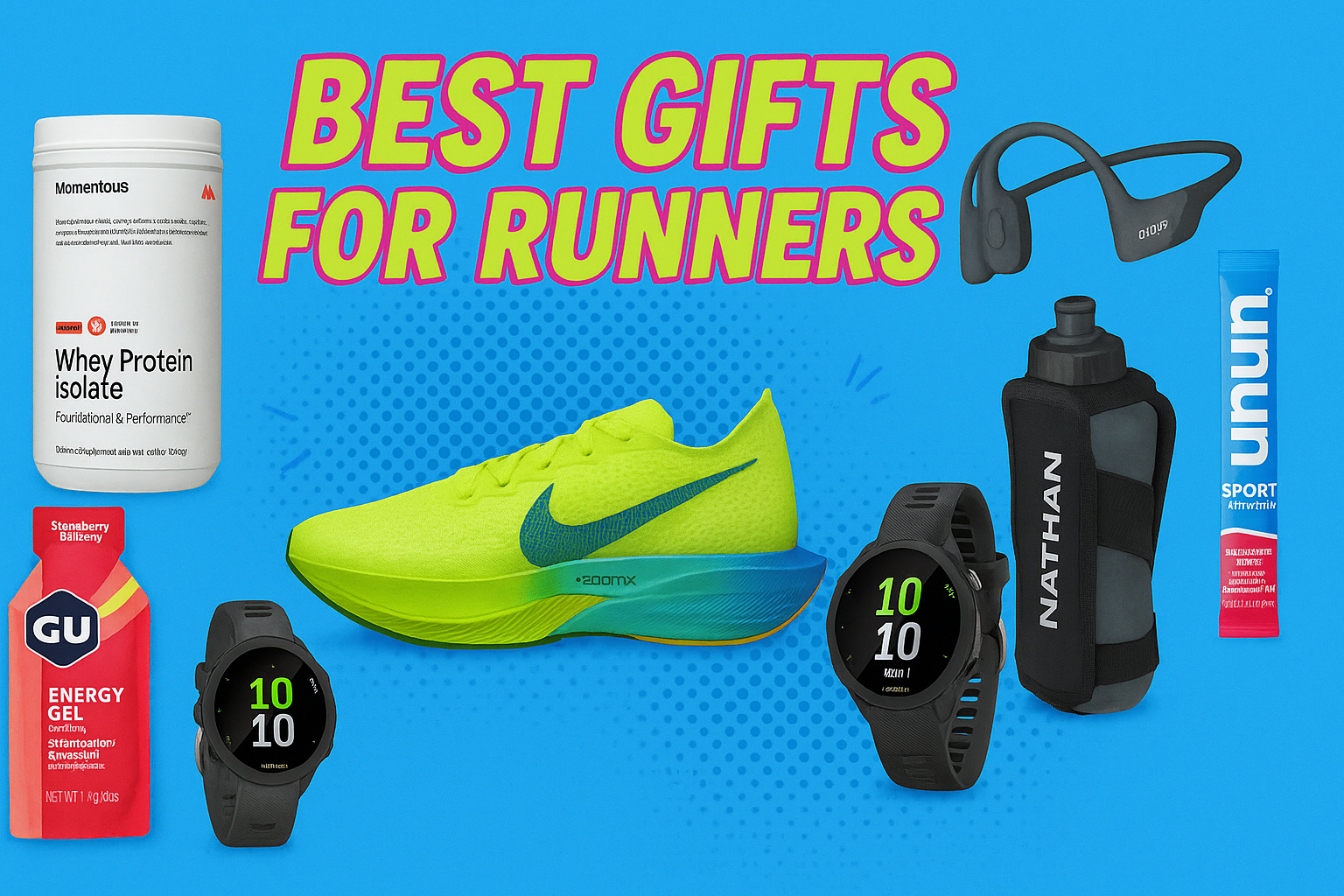
The carbon plate racing shoe that changed everything. These aren’t for daily training. They’re for race day, for PRs, for the runs that matter. The ZoomX foam and carbon plate combo genuinely makes you faster. Not by much, maybe 2-4%, but when you’re chasing a time goal, that matters.
They’re expensive and they won’t last more than 200-300 miles. But for a serious runner who hasn’t tried super shoes yet? This is a memorable gift.
Balega Blister Resist Socks
Nobody asks for socks. But every runner who gets good socks immediately understands. Balega’s blister resist line has enough cushion to feel plush without being bulky, and they actually prevent hot spots on long runs. I’ve done 20 milers in these without a single issue. Buy a 3-pack and call it a day.
Watches and Wearables
A GPS watch changes how you train. Period. Here’s what’s actually worth buying in 2025.
Garmin Forerunner 265
The sweet spot for most runners. AMOLED display that’s actually readable in sunlight, accurate GPS, solid heart rate tracking, and training metrics that help you understand if you’re overdoing it or ready to push harder. Battery lasts about two weeks in smartwatch mode or 20+ hours of GPS tracking.
If you’re not sure which Garmin to get someone, this is the one. It does everything a serious runner needs without the $800+ price tag of the Fenix line.
Coros Pace 3
Coros has been eating Garmin’s lunch on value. The Pace 3 costs half what comparable Garmins do and the battery life is absurd. We’re talking 24 days in watch mode and 38 hours of GPS. For ultramarathoners or anyone who hates charging things, it’s hard to beat.
The interface isn’t as polished as Garmin’s and the third-party app ecosystem is smaller, but for pure running functionality, it delivers.
Apple Watch Ultra 3
For runners already locked into Apple’s ecosystem who want one device for everything. The Ultra 3 adds satellite communications for off-grid adventures and bumps battery to 42 hours. It’s not the best pure running watch, but it’s the best smartwatch that also happens to run well. Action button for quick workout starts, always-on display, and 5G connectivity so you can leave your phone at home.
Polar H10 Chest Strap
Wrist-based heart rate is convenient but not always accurate, especially during intervals. A chest strap fixes that. The Polar H10 is considered the gold standard for accuracy and pairs with pretty much everything including Garmin, Apple, Peloton, and apps like Strava. If your runner is serious about using HR zones to guide their workouts, this is the upgrade.
Audio Gear
Shokz OpenRun Pro 2
Bone conduction headphones let you hear music and your surroundings at the same time. Cars, bikes, other runners, dogs. You hear it all. For road running, this is a safety thing. For trail running, it just makes the experience better.
The Pro 2 improves on the original with better bass and longer battery. Sound quality won’t match AirPods. That’s the tradeoff. But after running with bone conduction for a year, I can’t go back to earbuds that block everything out.
Goodr Running Sunglasses
Twenty five bucks for sunglasses that don’t bounce, don’t slip when you sweat, and come in ridiculous colors. Goodr figured out that runners don’t need $200 Oakleys. They need cheap glasses they won’t cry about losing. The polarized lenses are decent, the frames are light, and they have a cult following for good reason.
Hydration and Fuel
Long runs require calories and fluids. Here’s how to carry them without hating your life.
Nathan SpeedDraw Plus Insulated Flask
Handheld bottles took me a while to get used to. Now I prefer them over vests for anything under 15 miles. The Nathan SpeedDraw stays cold for hours, has a pocket for your phone and gels, and the grip is comfortable enough that you forget you’re holding it. Well, almost.
SPIbelt Running Belt
The original bounce-free running belt. Stretchy enough to hold a phone, keys, gels, and cards without flopping around. I wear mine for every race. Some people prefer vests, but for minimalists who hate carrying stuff, the SPIbelt is the answer.
Maurten Gel 100
What the elites actually use. Maurten’s hydrogel technology is easier on the stomach than traditional gels because it encapsulates the carbs and releases them gradually. No sugar spike, no GI distress for most people. They’re expensive and the taste is… neutral. But for runners who’ve had bad experiences with other gels, Maurten is worth trying.
GU Energy Gels Variety Pack
If you’re not sure what gels someone likes, a variety pack lets them experiment. GU has been around forever and the flavors range from great (salted caramel) to questionable (birthday cake). Some have caffeine, some don’t. A 24-pack will get a marathoner through a full training cycle.
Nuun Sport Electrolyte Tablets
Drop a tablet in water, wait for it to fizz, drink. Simple electrolyte replacement without the sugar overload of Gatorade. I use these after hot runs and during long efforts. The citrus fruit flavor is my favorite. A 4-pack of tubes makes a solid stocking stuffer.
Recovery Tools
You can’t run hard if you don’t recover. These are the tools that actually help.
TriggerPoint GRID Foam Roller
Foam rolling hurts in the good way. The GRID has a hollow core so it doesn’t deform over time, and the textured surface digs into tight spots without being torture. I roll my IT bands, calves, and quads after most runs. Five minutes makes a noticeable difference in how I feel the next day.
Theragun Mini
The full-size Theraguns are overkill for most people. The Mini fits in a gym bag, costs half as much, and still delivers enough percussion to work out knots. I use it on my calves when they get angry and on my hip flexors after long sits. Battery lasts long enough that I rarely think about charging it.
OOFOS Recovery Slides
Slides you put on after a run when your feet hate you. The foam is absurdly soft and the arch support actually feels good instead of aggressive. Some people wear these as house shoes. For post-long-run shuffling around, they’re perfect.
Hyperice NormaTec 3 Compression Boots
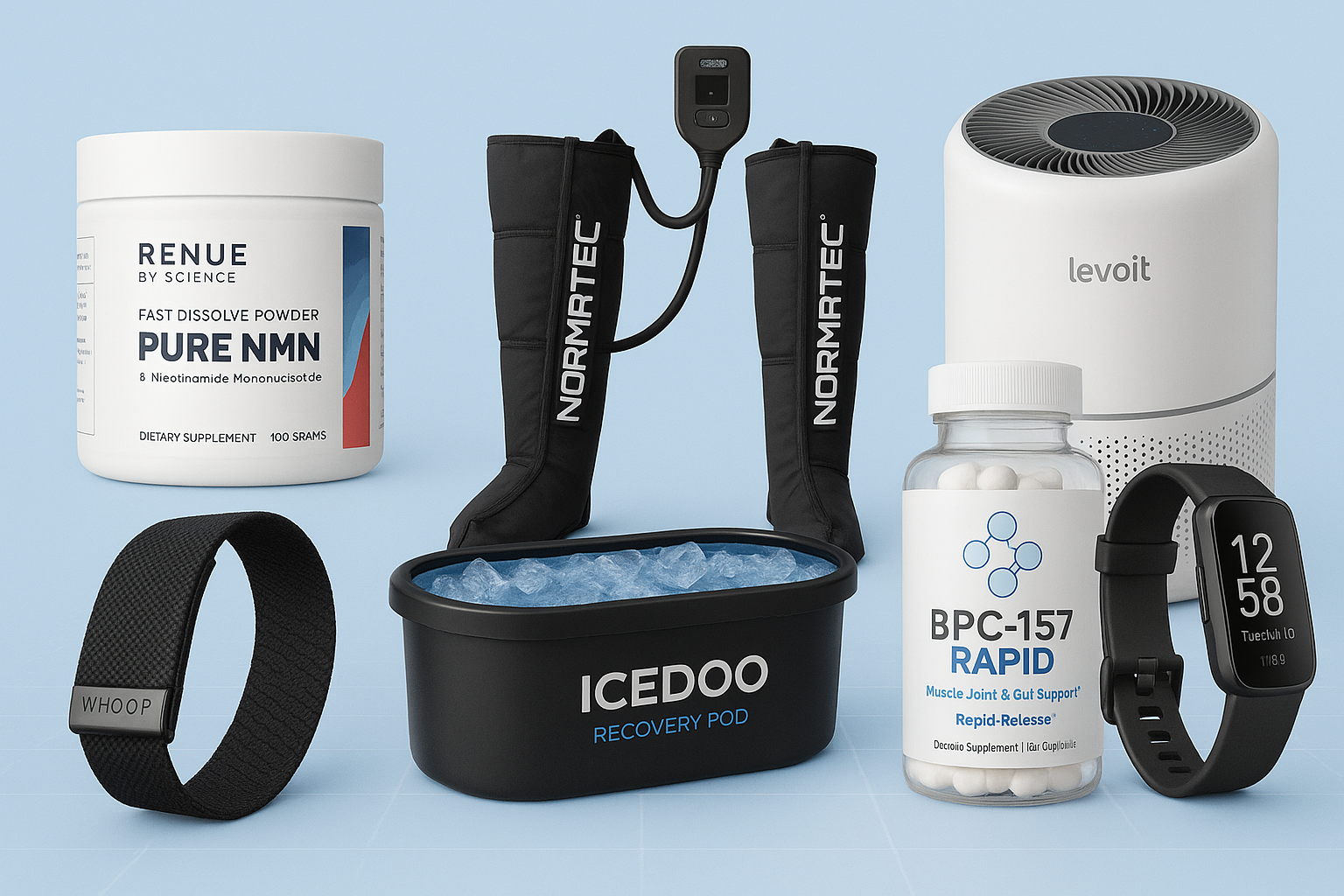
A splurge, no question. The NormaTec 3 is the gold standard in recovery compression. These pneumatic sleeves inflate and squeeze your legs in waves, flushing out metabolic waste and improving circulation. Designed by an MD/PhD and used by elite athletes everywhere. Seven levels of compression, Bluetooth app connectivity, and a rechargeable battery that lasts 2+ hours. Do they work? The science is mixed but the feeling is undeniable. Twenty minutes in these after a hard effort and your legs feel reset. If budget isn’t an issue and your runner takes training seriously, this is the gift they’ll brag about.
Supplements Worth Taking
Momentous Collagen Peptides
Joint health matters more the longer you run. Collagen supplements have some evidence behind them for reducing exercise-related soreness and supporting connective tissue. Momentous makes a clean, NSF-certified version that dissolves in coffee or smoothies without any weird taste. One scoop a day is the standard protocol.
Momentous Creatine
Creatine isn’t just for lifters. Endurance athletes benefit too, especially for repeated high-intensity efforts like intervals and hill sprints. It also supports cognitive function, which is nice when you’re grinding through mile 20. Five grams a day, every day. Simple.
Momentous Grass-Fed Whey Protein
After a long run, you need protein to rebuild. A quality whey powder makes it easy to get 20-25g without cooking. Momentous Grass-Fed Whey is what I use. Clean ingredients, NSF certified for sport, and it actually mixes well without clumping. Chocolate after a hard workout hits different.
Apparel That Actually Works
Sprints Running Hat
Sprints has become the cult favorite running hat brand, and for good reason. They make lightweight, breathable hats with wild patterns and funny slogans that runners actually want to wear. The “Cheaper Than Therapy Running Club” design is perfect for anyone who knows running is their therapy. Mesh vents, built-in sweatband, and they only weigh about 1.7 ounces. At $35, they’re priced right for a gift that’ll get worn every run.
Baleaf Running Jacket
Baleaf has become the go-to brand for affordable running gear that actually performs. This lightweight jacket is water resistant, wind resistant, and packs down small enough to tie around your waist when you warm up. They make versions for men and women, and everything’s under $50. That’s Patagonia performance at a fraction of the price. Perfect for those days when it’s cold at the start but you know you’ll be shedding layers by mile two.
Safety Gear for Early Mornings and Late Nights
Running in the dark is peaceful until a car doesn’t see you. Be visible.
Noxgear Tracer360 Visibility Vest
This thing lights you up like a Christmas tree. Fiber optic cables run through the vest and glow in multiple colors. Drivers see you from blocks away. It’s a bit much for daylight running but for 5am or 9pm miles, it’s legitimately useful. Rechargeable battery lasts several hours.
Petzl Actik Core Headlamp
Rechargeable, bright enough to light a trail, and light enough that you forget it’s on your head. The red light mode preserves night vision and won’t blind oncoming runners. I use mine for pre-dawn runs and it’s never let me down. Essential for anyone running before sunrise or after sunset.
Road ID
A bracelet or shoe tag with your name, emergency contact, and any medical info first responders should know. It’s not exciting but it matters. If something happens and you can’t speak, this speaks for you. Comes in different styles so it doesn’t look like a medical alert bracelet.
Books That Make You a Better Runner
Daniels’ Running Formula by Jack Daniels
The training bible. Jack Daniels (yes, real name) coached Olympic athletes and this book breaks down the science of training into understandable, actionable plans. VDOT tables, workout prescriptions, periodization. Dense but worth it for anyone who wants to understand why they’re running certain workouts.
Run Fast. Eat Slow. by Shalane Flanagan
A cookbook from an Olympic marathoner who actually cares about flavor. Real food recipes designed to fuel training without being boring health food. The superhero muffins are famous in running circles. Great for runners who want to eat better without eating sad.
What I Talk About When I Talk About Running by Haruki Murakami
Part memoir, part meditation on why we run. Murakami is a novelist who runs ultramarathons, and this book explores the mental side of putting one foot in front of the other. It won’t make you faster but it might help you understand why you bother in the first place.
Quick Picks Under $30
Not every gift needs to break the bank. These are all useful and affordable.
KT Tape – Kinesiology tape for supporting sore muscles and joints. Runners swear by it for knee pain and plantar fasciitis. Check Price →
Body Glide – Anti-chafe balm that prevents the nightmare of bloody nipples and thigh rub on long runs. Essential for marathoners. Check Price →
Lock Laces – Elastic no-tie laces that let you slip shoes on and off while keeping them snug. Popular for triathletes but useful for anyone. Check Price →
Running Log Journal – Old school pen and paper tracking. Some runners prefer writing down miles to using apps. There’s something satisfying about filling in the pages. Check Price →
What to Actually Buy
If you’re still not sure, here’s the cheat sheet by budget:
Under $25: Balega socks, Body Glide, Nuun tablets, Goodr sunglasses
$25-75: SPIbelt, foam roller, Sprints hat, Baleaf jacket, KT Tape variety pack, books
$75-200: Shokz headphones, Theragun Mini, Nathan handheld, OOFOS slides
$200-400: Coros Pace 3, Garmin Forerunner 265, running shoes
$400+: Apple Watch Ultra 3, Hyperice NormaTec 3, Garmin Fenix
Runners are particular about their gear. When in doubt, ask what they need or get a gift card to their favorite running store. But any of the items on this list will get used. That’s the whole point.